Geothermal Heat Pump Installation cost at a glance
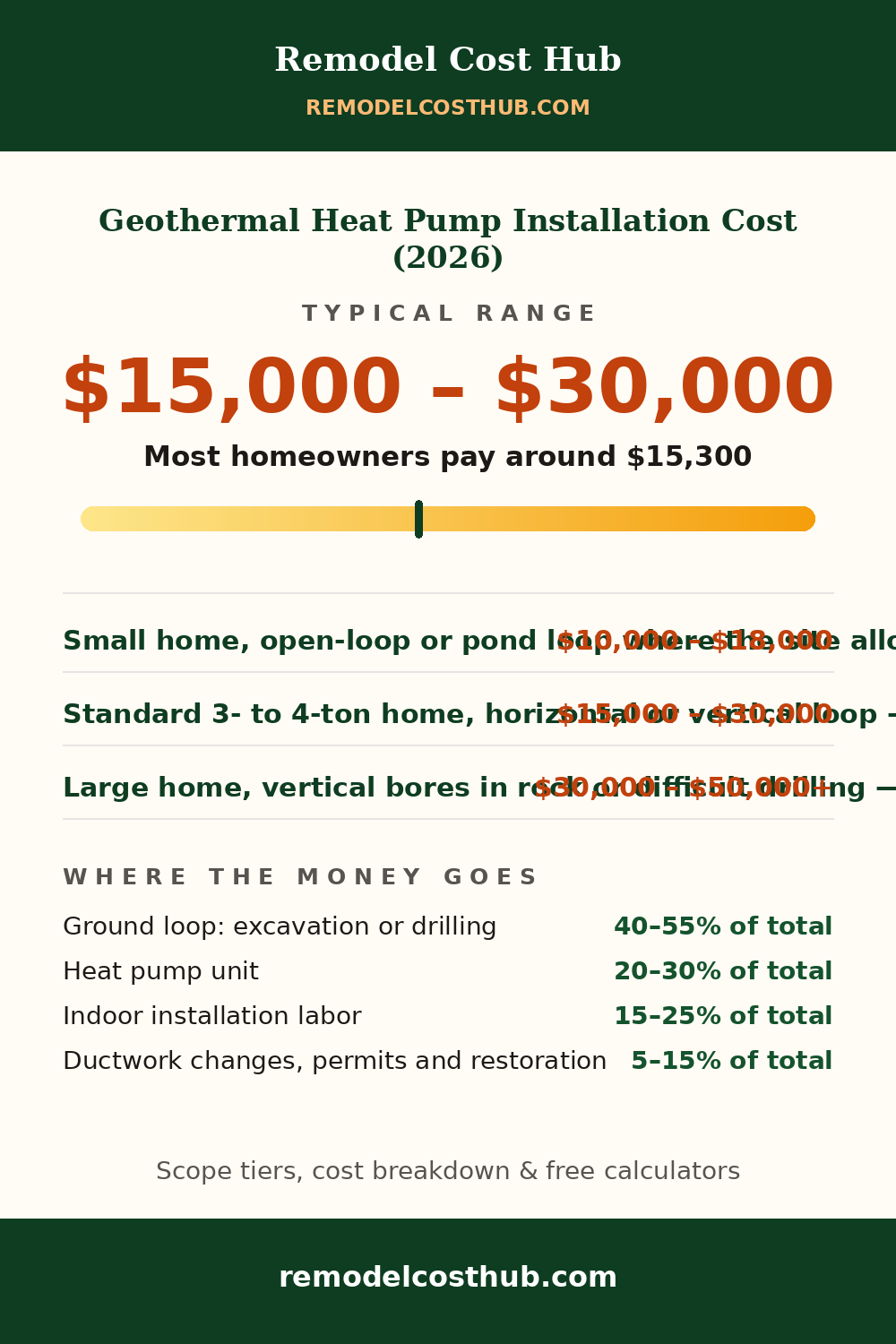
- Typical range: $15,000 – $30,000
- Most homeowners pay: around $15,300
- Prices vary most by: Ground loop: excavation or drilling (40–55% of the budget)
Cross-checked against two published sources for this project. Sources used for this page: Angi's geothermal heat pump cost guide, updated October 5, 2026 (2026 national average $15,322 across 297 verified projects, most $4,541–$26,698; per-ton $2,380–$7,610; yard work $5,000–$15,000; ductwork modifications $1,400–$5,600; horizontal loop city data $14,400–$32,600, vertical $19,200–$36,400) and Angi's geothermal installation guide, updated August 27, 2026 (average $15,200, range $4,500–$49,000; horizontal $20,000–$25,000, vertical $25,000–$30,000, pond/lake $18,000–$23,000 for an average home), HomeGuide's geothermal heat pump cost guide (installed average $20,000–$50,000+, units $3,500–$14,000 before installation; horizontal loops $20,000–$50,000+, vertical $25,000–$80,000+; 30% federal tax credit through 2032; 1–8 months from contract to completion) and Heater Guides' geothermal heating costs (typical 4-ton horizontal $15,000–$25,000, vertical $20,000–$35,000; unit $3,000–$6,000; ductwork $1,000–$3,000; complete installs typically $18,000–$40,000) — the page's typical band is the standard-home overlap, and its $15,300 most-pay figure is Angi's published 2026 average rounded. Sources last checked: October 2026 — HomeGuide, Angi. How we calculate these costs
Cost by scope
| Scope | Typical cost | What it includes |
|---|---|---|
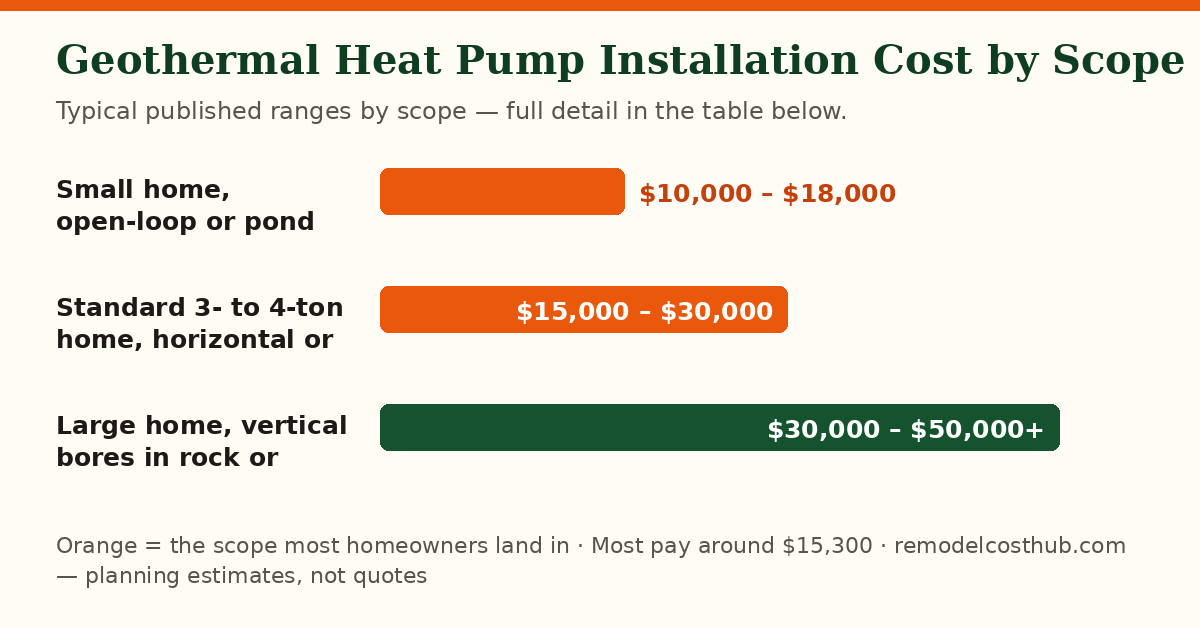
| Small home, open-loop or pond loop where the site allows | $10,000 – $18,000 | The cheap end: Angi puts pond systems at $18,000–$23,000 where water is available, and open-loop systems run lower where well water is plentiful — the loop is the saving, not the unit |
| Standard 3- to 4-ton home, horizontal or vertical loop — the typical job | $15,000 – $30,000 | The shared band itself: Angi's $15,322 average against HomeGuide's $20,000–$50,000+ installed average — loop, unit and indoor work for a standard home |
| Large home, vertical bores in rock or difficult drilling — the top end | $30,000 – $50,000+ | The expensive end: HomeGuide runs vertical loops to $80,000+ on complex projects, and Angi's per-ton rates reach $45,500 for a 5-ton system — drilling depth and rock are what push a job here |
Where the money goes
| Part of the job | Share | Note |
|---|---|---|
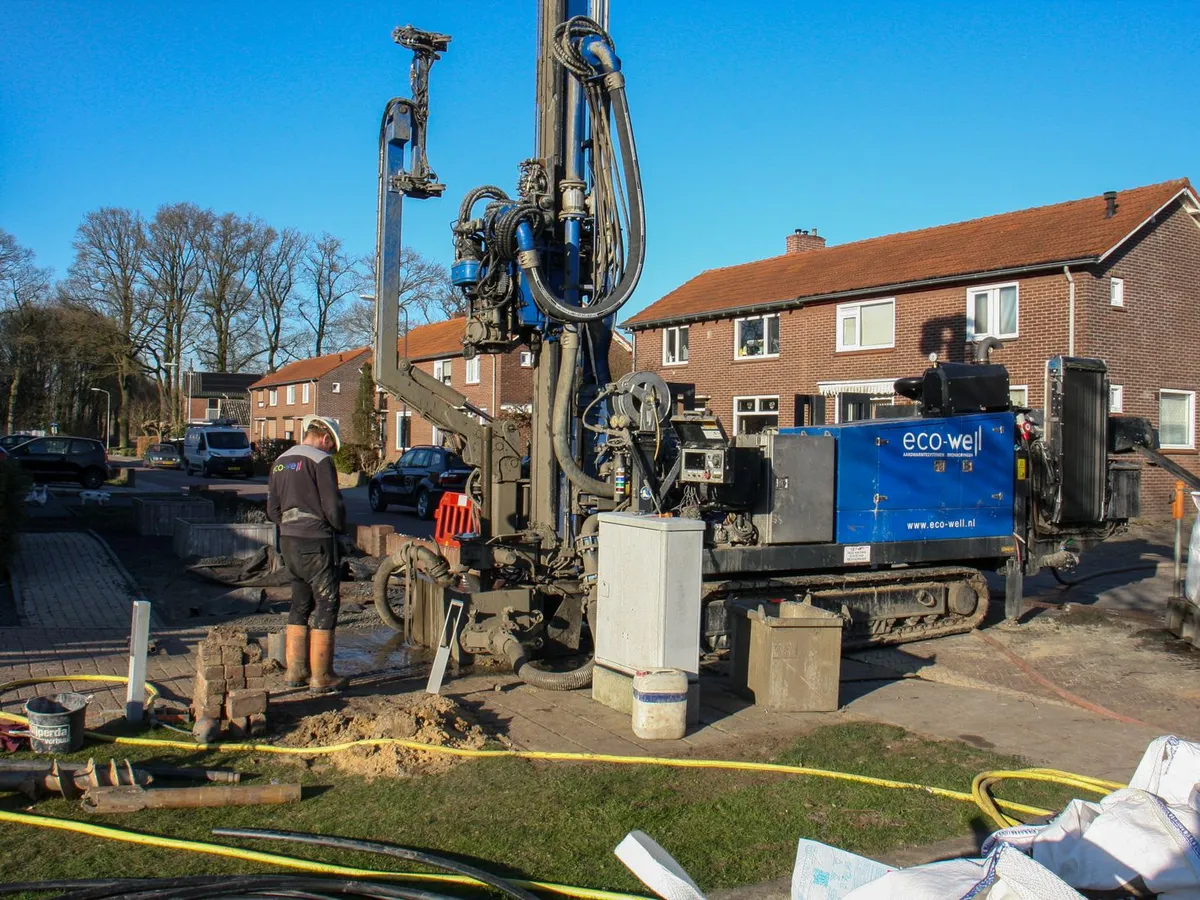
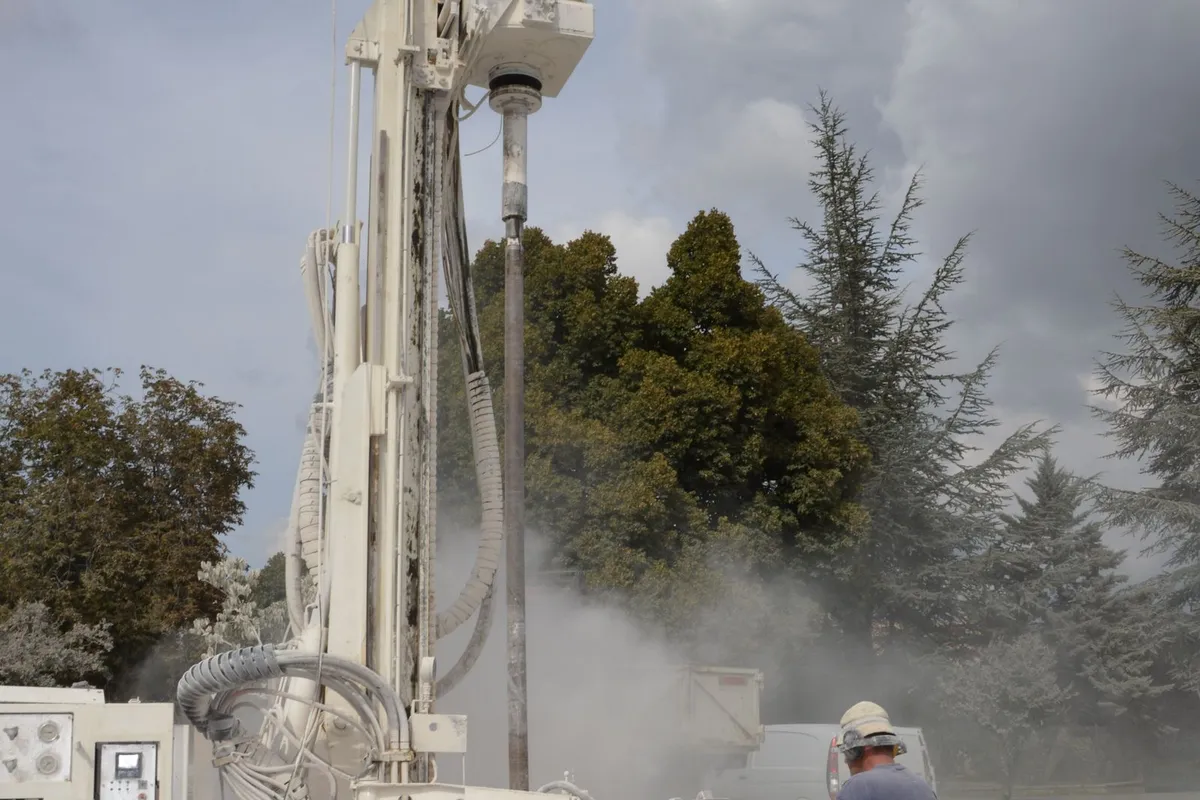
| Ground loop: excavation or drilling | 40–55% of total | The loop itself: Angi prices yard work at $5,000–$15,000, and vertical bores at 150–300 feet deep are the dearest part of any vertical job |
| Heat pump unit | 20–30% of total | The indoor unit: HomeGuide prices units at $3,500–$14,000 before installation, by size, brand and model |
| Indoor installation labor | 15–25% of total | The fitting: connecting the loop, setting the unit and commissioning the system, priced with the unit in most quotes |
| Ductwork changes, permits and restoration | 5–15% of total | The extras: Angi prices ductwork modifications at $1,400–$5,600, and the yard needs restoring after trenches or bores |
What moves the price most
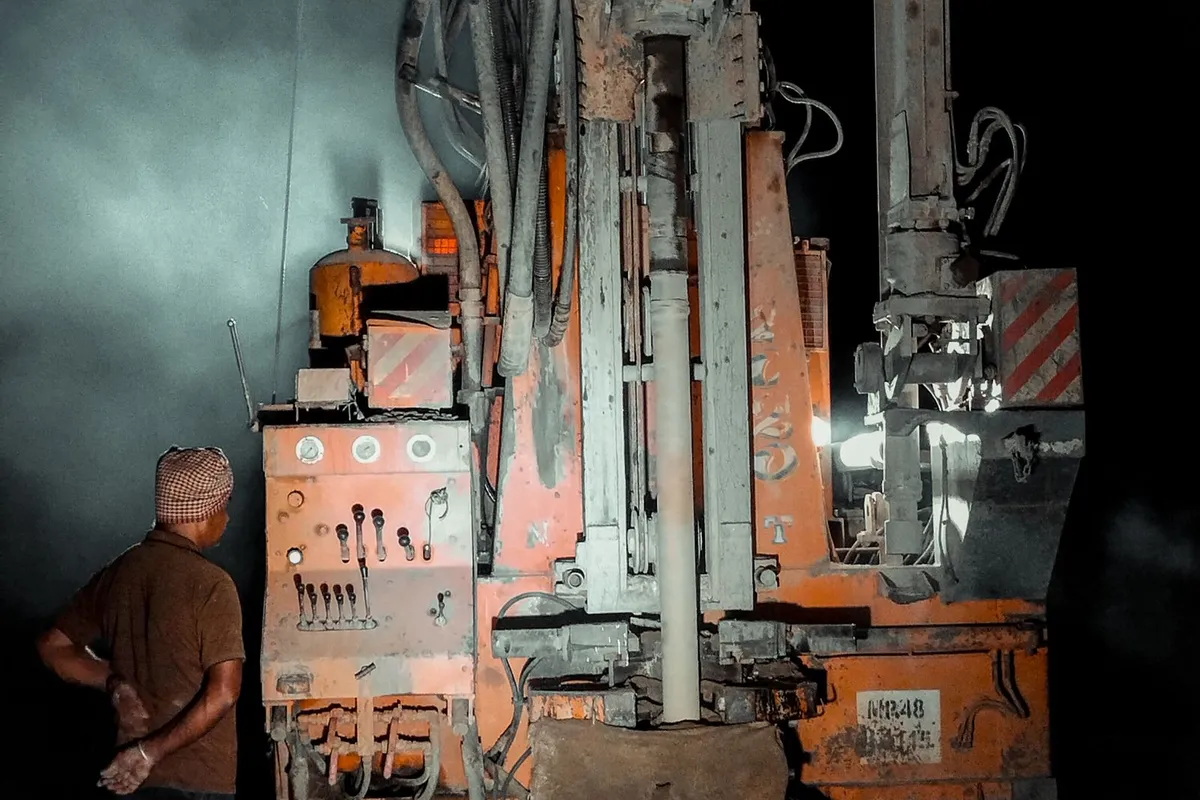
Loop type is the first driver. HomeGuide prices horizontal loops at $20,000–$50,000+ installed against $25,000–$80,000+ for vertical loops, and vertical bores run 150–300 feet deep — land decides which is even possible, and drilling decides the price. Capacity is second: Angi prices systems at $2,380–$7,610 per ton, so a 5-ton system at $13,200–$42,200 is a different job from a 1-ton system at $2,640–$8,440. Soil and rock are third: Angi's yard-work band of $5,000–$15,000 moves with digging conditions, and rock that slows the drill is the most common reason a vertical quote lands high. Finally, ductwork: Angi prices modifications at $1,400–$5,600 where existing ducts cannot serve the new system, and that line is easy to miss until the site visit.
Costs in your city
Labor is the biggest variable in any remodel, and labor is local — the same bathroom can price very differently in Houston than in Boston. We are adding city editions metro by metro, each with its own labor index, permit notes and climate factors, written for that city rather than copied from this page. Wave 1: Houston, Dallas–Fort Worth, Phoenix, Atlanta, Miami–South Florida, Orlando, Tampa, Charlotte, Austin and San Antonio. Until your city's page is live, use the national range here and weight it the way contractors do: Sun Belt labor often prices near or below the national middle, while coastal California and the Northeast metros often price well above it.
Frequently asked questions
How much does a geothermal heat pump installation cost?
Typically $15,000–$30,000 for a standard 3- to 4-ton home system, with about $15,300 the figure most jobs land near — Angi's 2026 average of $15,322, against HomeGuide's $20,000–$50,000+ installed average.
Horizontal or vertical loop — which is cheaper?
Horizontal is cheaper where you have the land: HomeGuide prices horizontal loops at $20,000–$50,000+ installed against $25,000–$80,000+ for vertical. Vertical suits small lots because the bores go down 150–300 feet instead of trenching across a yard — but drilling is what you pay for.
What size geothermal system does my home need?
Capacity is measured in tons and follows the home's heating and cooling load, not just its square footage: Angi prices 1-ton systems at $2,640–$8,440 and 5-ton systems at $13,200–$42,200. A proper load calculation sets the size; an oversized unit costs more to buy and cycles poorly.
Is there a federal tax credit for geothermal heat pumps?
HomeGuide reports a 30% federal tax credit available through 2032. Tax rules change, so confirm the current credit and its eligibility rules before budgeting it into the job.
How long does a geothermal installation take?
HomeGuide puts the full timeline at 1–8 months from contract signing to completion: the loop work — trenching or drilling, then restoration — is the long pole, while the indoor unit itself goes in far faster.