Home › Cost Guides › Load-Bearing Wall Removal
Cost Guide

How Much Does a Load-Bearing Wall Removal Cost? (2026)

By Ahsan ul Haq · Last updated: 11 November 2026 · Planning estimate — not a quote · How we estimate

Typical range
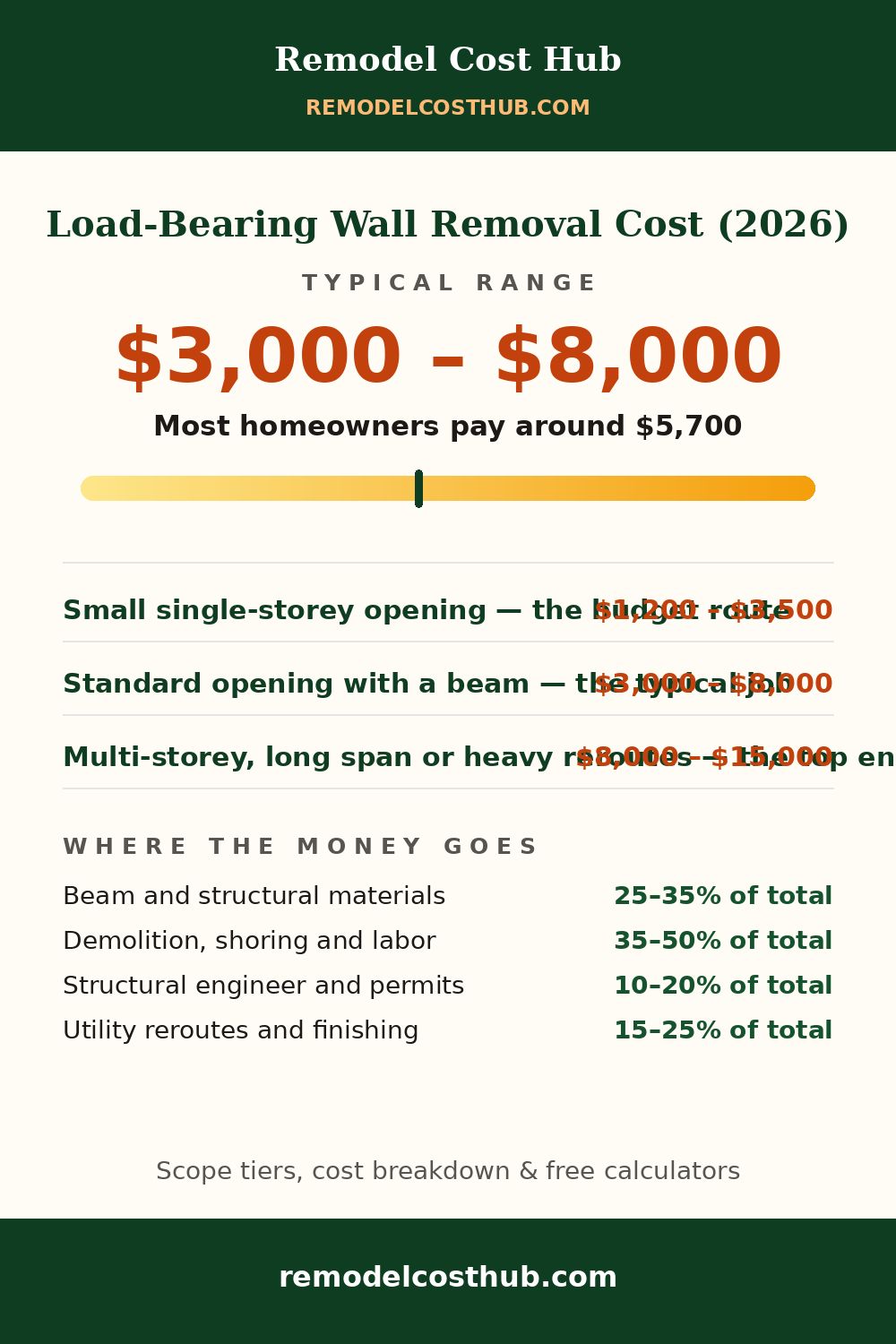
$3,000 – $8,000
Most homeowners pay around $5,700 · Removing a load-bearing wall typically costs $3,000 – $8,000 for a standard opening, with about $5,700 the figure most standard jobs land near — Angi prices removal at $5,700 on average with most homeowners spending $1,400–$10,000, EngineerFix prices removing the wall and installing a replacement beam at $1,300–$5,000 at roughly $450 per linear foot, and HomeAdvisor prices the same job at $500–$15,000 with a $3,000 average. The $3,000–$8,000 typical band is the standard single-opening overlap, and $5,700 is Angi's average — HomeAdvisor's lower average reflects smaller-scope jobs and is published here as the disagreement, not blended, while a multi-storey wall or a long steel span costs far more, and the engineer and permit fees below are mandatory on every job, not optional extras.
typical
$3,000$8,000
Low end = minor scope  ·  marker = typical middle  ·  high end = major scope. Add 10–20% contingency to any budget.
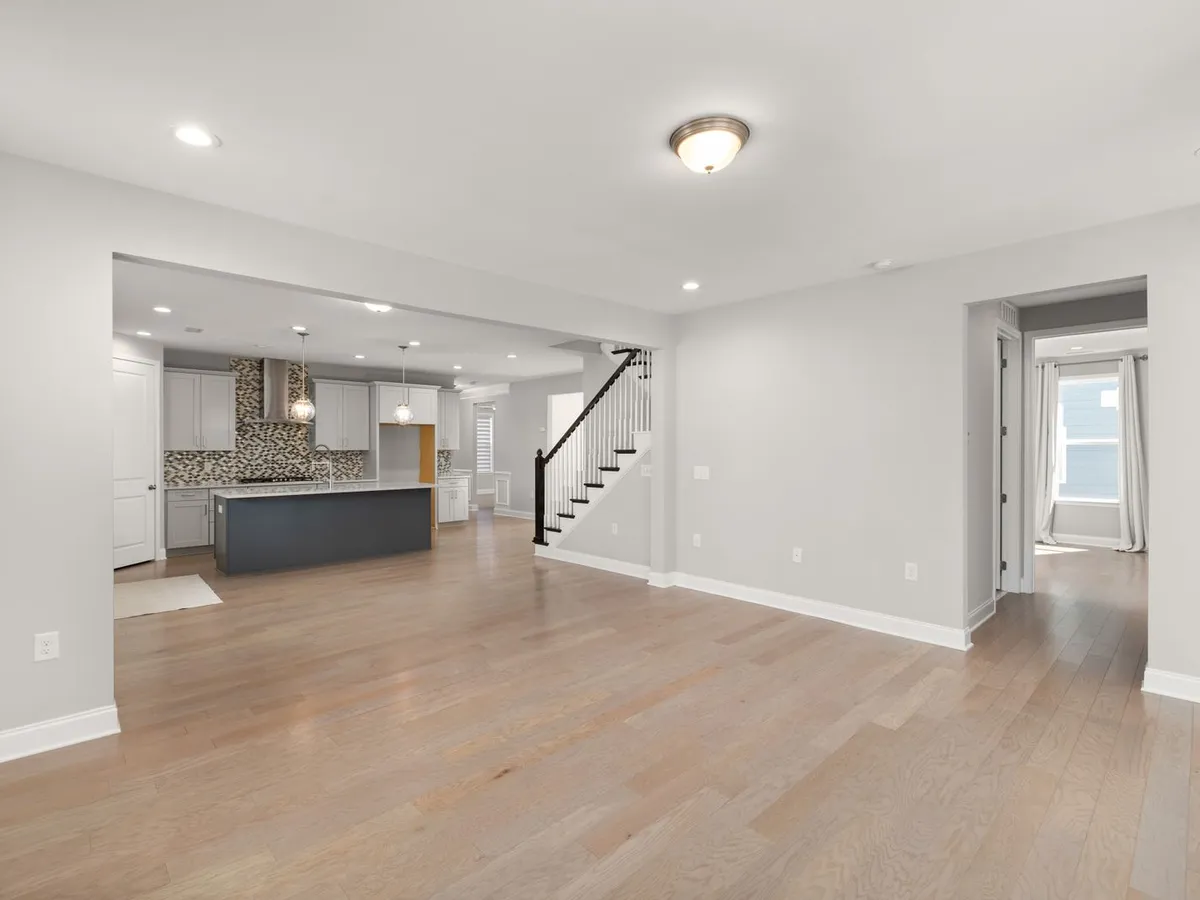
Open-plan living room and kitchen joined by a wide cased opening, with wood floors

Load-Bearing Wall Removal cost at a glance

  • Typical range: $3,000 – $8,000
  • Most homeowners pay: around $5,700
  • Prices vary most by: Demolition, shoring and labor (35–50% of the budget)

Cross-checked against two published sources for this project. Sources used for this page: Angi's load-bearing wall removal cost guide (updated October 6, 2026: national average $5,700, most homeowners spending $1,400–$10,000; single-storey $1,200–$3,000, multi-storey $10,000–$15,000; demolition $0.30–$6.40 per square foot; beam material $3–$35 per linear foot; general contractor 10–20% of total; electrician $50–$130 per hour, plumber $45–$200 per hour; retexturing $1.80–$3.80 per square foot; permits $500–$2,000) and Angi's LVL beam installation guide (updated July 9, 2026: LVL installation $1,500–$4,000, average $2,500; structural engineer $350–$800; contractor $40–$190 per linear foot) with EngineerFix's load-bearing wall removal cost guide (removal plus beam $1,300–$5,000, about $450 per linear foot on average; labor $60–$400 per linear foot; LVL material $3–$12 per linear foot, steel $6–$20 as material and $100–$400 installed; engineer $300–$2,000; permits $500–$2,000) and HomeAdvisor's load-bearing wall removal cost guide (range $500–$15,000, average $3,000; engineer $350–$800 — its lower average published here as the smaller-scope disagreement, not blended). Sources last checked: October 2026 — HomeAdvisor, Angi. How we calculate these costs

Cost by scope
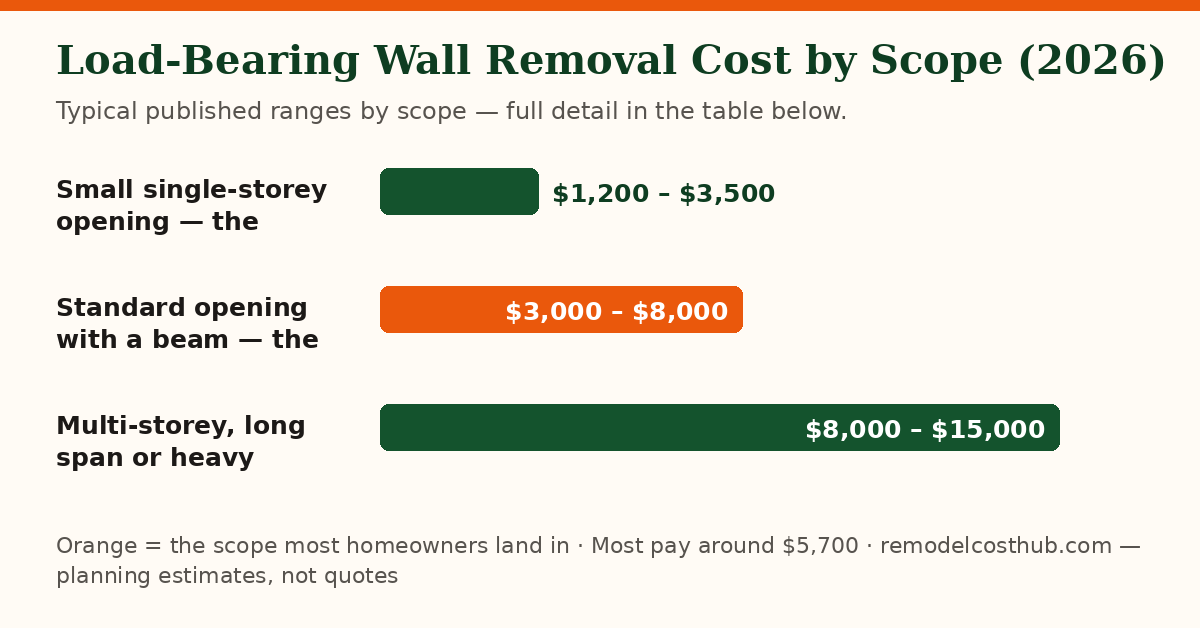
Load-Bearing Wall Removal cost ranges by scope — chart of the table below
ScopeTypical costWhat it includes
Small single-storey opening — the budget route$1,200 – $3,500The cheap end: Angi prices single-storey removal at $1,200–$3,000, and EngineerFix prices beam replacement from $1,300 — a short opening on one storey, an LVL beam, no utilities to move and simple finishing, which is why it prices below a structural rebuild
Standard opening with a beam — the typical job$3,000 – $8,000The shared band itself: Angi averages $5,700 across the job, and EngineerFix averages about $450 per linear foot of opening — demolition, temporary shoring, a sized LVL or steel beam and making good the ceiling and walls, which is the common job and the band this page is built on
Multi-storey, long span or heavy reroutes — the top end$8,000 – $15,000The expensive end: Angi prices multi-storey removal at $10,000–$15,000, and EngineerFix prices installed steel at $100–$400 per linear foot — two storeys of load, a long span needing a deep steel beam, or plumbing and electrical that must be rerouted are what push a job past the standard band

Where the money goes

Part of the jobShareNote
Beam and structural materials25–35% of totalWhat holds the house up afterwards: Angi prices beam material at $3–$35 per linear foot by material, LVL at $3–$12 and steel at $6–$20 per linear foot in EngineerFix — span and load decide the size, and a longer span needs a deeper, heavier beam
Demolition, shoring and labor35–50% of totalThe careful work: EngineerFix prices removal and beam labor at $60–$400 per linear foot, and Angi prices a general contractor at 10–20% of the total — temporary supports go up before the wall comes down, and that sequencing is the skill the labor line buys
Structural engineer and permits10–20% of totalThe mandatory paper: Angi prices a structural engineer at $350–$800 for beam sizing and drawings, EngineerFix at $300–$2,000 by complexity, and permits at $500–$2,000 in both guides — no reputable contractor removes a load-bearing wall without them
Utility reroutes and finishing15–25% of totalWhat the wall was hiding: Angi prices electricians at $50–$130 per hour and plumbers at $45–$200 per hour to move lines out of the wall, plus retexturing at $1.80–$3.80 per square foot — a wall full of wiring or pipe is the surprise that moves this line
Beam and structural materials · 25–35%Demolition, shoring and labor · 35–50%Structural engineer and permits · 10–20%Utility reroutes and finishing · 15–25%
Estimator’s note: on a load-bearing wall removal, demolition, shoring and labor is usually where quotes swing most (35–50% of total of a typical budget). Ask every contractor to itemize that line in writing — totals are only comparable when that part is.
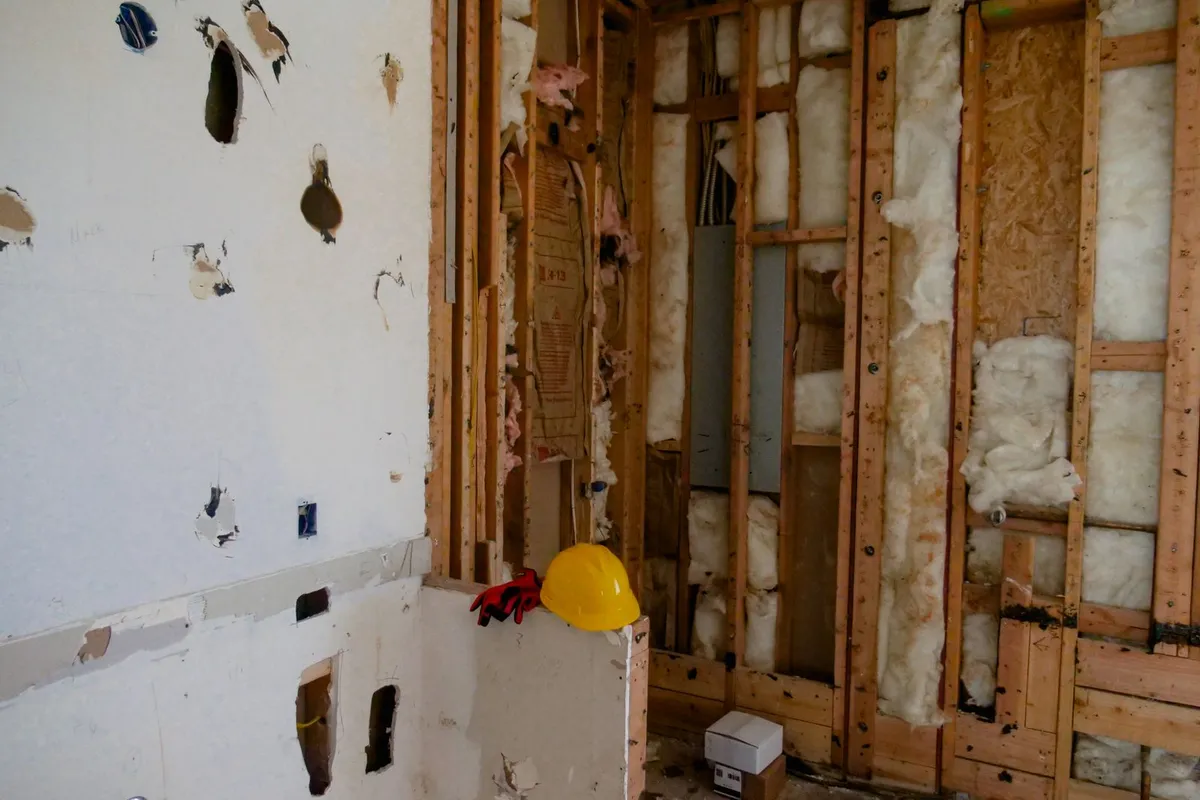
A room stripped back to its studs, insulation exposed: EngineerFix prices removal plus beam work at $1,300–$5,000 before finishing, and temporary shoring holds the load above while the wall comes out

What moves the price most

How many storeys the wall carries is the first driver: Angi prices single-storey removal at $1,200–$3,000 against $10,000–$15,000 for multi-storey work, because a second floor or a roof load above the wall needs a bigger beam and more shoring. Span length is second: EngineerFix averages about $450 per linear foot of opening, so a 10-foot opening and a 20-foot opening are roughly double the structural work, not a small step up. Beam material is third: LVL is lighter and cheaper at $3–$12 per linear foot of material in EngineerFix, while steel costs $6–$20 per linear foot as material but $100–$400 installed, and wins on long spans where a timber beam would be too deep. Finally, what runs inside the wall decides the surprises: electrical and plumbing reroutes are billed by the hour in Angi, and finishing — drywall, texture, paint and flooring junctions — is what turns a structural job back into a finished room.

Work out your quantities: before you compare quotes, run your measurements through our free remodeling calculators (paint, tile, concrete and flooring) — each one shows its formula and runs entirely in your browser.

Costs in your city

Labor is the biggest variable in any remodel, and labor is local — the same bathroom can price very differently in Houston than in Boston. We are adding city editions metro by metro, each with its own labor index, permit notes and climate factors, written for that city rather than copied from this page. Wave 1: Houston, Dallas–Fort Worth, Phoenix, Atlanta, Miami–South Florida, Orlando, Tampa, Charlotte, Austin and San Antonio. Until your city's page is live, use the national range here and weight it the way contractors do: Sun Belt labor often prices near or below the national middle, while coastal California and the Northeast metros often price well above it.
How this estimate was built: the range on this page is a synthesis of at least three published industry sources (national cost guides and the Remodeling Magazine Cost vs. Value data among them), cross-checked in October 2026. We publish planning ranges, never a single pretend-precise price. Full method: How We Estimate Costs.
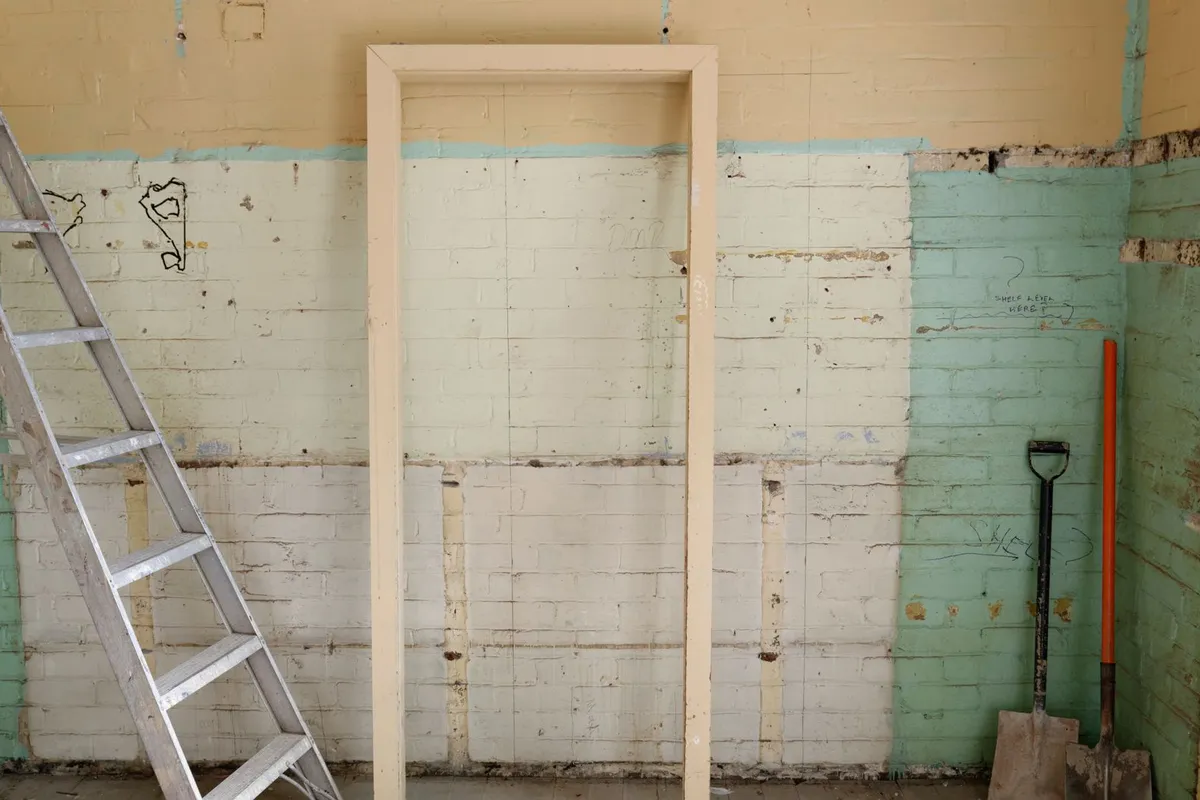
A renovation in progress, ladder and bare frame against stripped brick: Angi puts permits at $500–$2,000 and a structural engineer at $350–$800 — both are mandatory costs on this page, not optional extras

Frequently asked questions

How much does it cost to remove a load-bearing wall?

Most standard openings land in the $3,000–$8,000 band on this page, with a common middle around $5,700 — Angi's average. A small single-storey opening can come in below that band, and a multi-storey wall or a long steel span usually lands above it.

How do I know if a wall is load-bearing?

The usual signs are a wall that runs perpendicular to the floor joists above it, sits over a beam or posts below, or lines up under the roof ridge — and every exterior wall carries load. None of those signs is proof on its own: only a structural engineer or the home's original plans confirm it, and that confirmation is part of the engineer fee on this page.

Do I need a structural engineer and a permit to remove a load-bearing wall?

Yes, both, on essentially every job: the engineer sizes the replacement beam and produces the drawings, and the building department reviews them before issuing a permit and inspecting the work — Angi prices the engineer at $350–$800 and permits at $500–$2,000, and unpermitted structural work can block a future sale.

How long does removing a load-bearing wall take?

Angi's how-to guide rates the removal itself as expert work over about 3 days, but that is not the whole calendar: engineer drawings, permit review, inspections and finishing all sit around it, so a straightforward job commonly spans one to three weeks from first visit to finished room.

Can I remove a load-bearing wall myself?

No — this is not a DIY demolition job. The wall carries the structure above it, so the temporary shoring, the beam sizing and the inspection sign-off all need professionals, and a mistake here sags floors or worse. DIY demolition is for non-load-bearing partition walls, which are a different job from the one this page prices.

What happens to the wiring and plumbing inside the wall?

They get rerouted before the wall comes down: Angi prices electricians at $50–$130 per hour and plumbers at $45–$200 per hour for that work, and a wall that hides a drain stack, a gas line or a full electrical panel costs more than an empty one — which is why a pre-work inspection of what is inside the wall is part of every honest quote.
Before you sign: get at least 3 written local quotes for the same written scope, confirm permits and who pulls them, and keep a 10–20% contingency separate from the contract price.

Ahsan ul Haq — Editor, Remodel Cost Hub

Ahsan compiles and edits the cost guides on Remodel Cost Hub, cross-checking every range against at least three published sources before it is published — the full method is on our Methodology page. Spot an error on this page? Send a correction.

Load-Bearing Wall Removal cost range graphic
Save this range for later: Pin it on Pinterest

Related cost guides

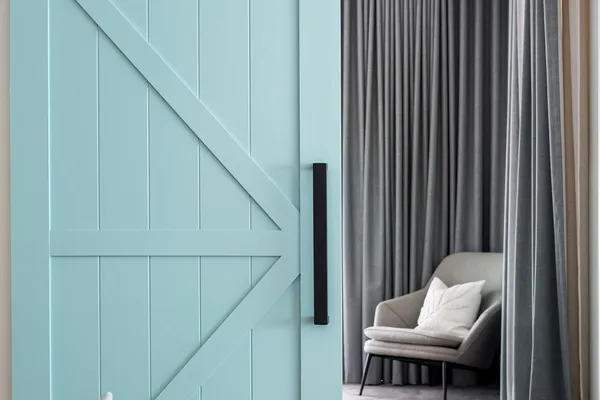
Pale blue sliding barn door with a black pull handle, partly open to a sitting room

Barn Door Installation Cost

$400 – $1,500

Barn door installation typically costs $400 – $1,500 for a standard single interior door, with about $1,000 the figure most standard jobs land near — HomeGuide prices a single installed barn door at $400–$1,400 and a double at $800–$2,800 with labor at $100–$1,000, Angi averages an interior barn door at $1,500 within $200–$2,500 and prices professional installation at $1,350–$5,000 per door including exterior work, and EngineerFix prices a mid-range installed door at $700–$1,700. The $400–$1,500 typical band is the standard single-door overlap, and $1,000 is its middle — Angi's higher professional band covers exterior and custom doors, published here as the scope difference, not blended, while a double door or a custom hardwood door costs far more.

Wall of white built-in bookshelves fitted around a doorway, filled with books

Built-In Bookshelves Installation Cost

$1,500 – $4,500

Built-in bookshelves typically cost $1,500 – $4,500 for a standard medium unit, with about $3,000 the figure most standard jobs land near — Angi's hiring guide prices professionally installed built-in bookshelves at $1,400–$4,800 with most homeowners spending around $3,000, Bob Vila prices the same work at $1,290–$4,420 with a national average of $2,853, and HomeGuide prices custom bookshelves at $150–$400 per linear foot in MDF, $150–$600 in plywood and $500–$1,200 in hardwood. The $1,500–$4,500 typical band is the medium-unit overlap, and $3,000 is Angi's most-spent figure, corroborated by Bob Vila's average — Angi's 2026 bookcase data averages a smaller $1,400 within $1,000–$2,000, published here as the smaller-scope band, not blended, while a large wall-to-wall hardwood library wall costs far more.

Pull-down wall bed lowered from fitted cabinetry with side shelving, mattress on a metal frame

Murphy Bed Installation Cost

$1,500 – $4,000

A Murphy bed typically costs $1,500 – $4,000 for a standard queen unit installed, with about $3,000 the figure most standard jobs land near — Angi prices professional Murphy bed installation at $1,000–$7,500 with a $3,000 average, Renuity, citing Angi's 2025 data, prices most installations at $2,000–$4,000 with a queen at $1,500–$4,000, and Lori Beds prices a basic prefab unit plus installation at $1,000–$3,000 with custom cabinetry builds at $3,500–$15,000 or more. The $1,500–$4,000 typical band is the popular queen overlap, and $3,000 is Angi's average — a basic twin can come in below it, and a custom desk-integrated or king unit costs far more, while the unit, mechanism and anchoring labor below are all inside the total.

Kitchen with a lit strip under gray wall cabinets over the counter and sink

Under-Cabinet Lighting Installation Cost

$250 – $700

Under-cabinet lighting installation typically costs $250 – $700 for a standard kitchen run, with about $400 the figure most standard jobs land near — Angi prices professional installation at $200–$800 with a $400 national average, and its length table prices an average 10–20 linear foot kitchen at $250–$700. EngineerFix prices a professional hardwired 10–15 foot run higher, at $500–$1,200, because that band assumes a licensed electrician concealing wiring and fitting a wall switch — it is published here as the hardwired-scope difference, not blended into the typical band. The $250–$700 typical band is Angi's average-kitchen band, and $400 is Angi's average — a plug-in strip can come in below it, and a large multi-run or smart-controlled kitchen costs far more, while the fixtures, labor and controls below are all inside the total.

Blue Ethernet cables plugged into a network switch

Ethernet Wiring Installation Cost

$600 – $2,000

Wiring a retrofit home network of four to eight Ethernet drops — Cat6 cable, wall jacks and plates, switch and patch panel, and testing included; new-construction rough-in and whole-home systems of ten or more drops priced separately

Open-plan kitchen and living area lit by two black ceiling track runs

Track Lighting Installation Cost

$200 – $500

One track run with its spot heads, wired to an existing ceiling junction box in a single room — track, heads and the electrician's installation included; new wiring, a second run and designer heads priced separately