Fireplace Installation cost at a glance
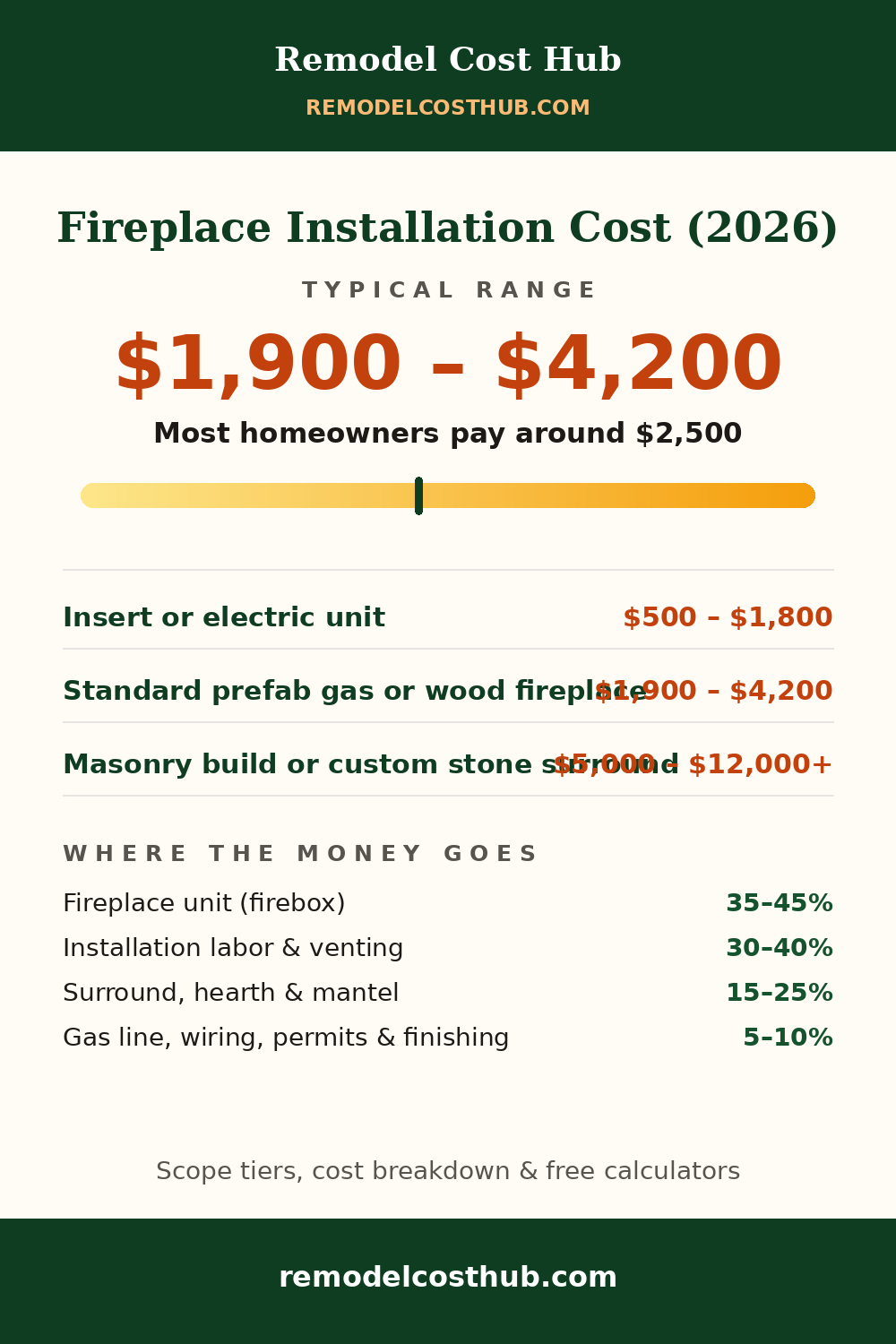
- Typical range: $1,900 – $4,200
- Most homeowners pay: around $2,500
- Prices vary most by: Fireplace unit (firebox) (35–45% of the budget)
Cross-checked against three published sources for this project. Sources used for this page: Angi's fireplace installation cost guide, HomeGuide's fireplace installation cost guide and Thumbtack's fireplace installation cost data. Sources last checked: October 2026 — HomeGuide, Angi. Last updated October 2026 · How we calculate these costs
Cost by scope
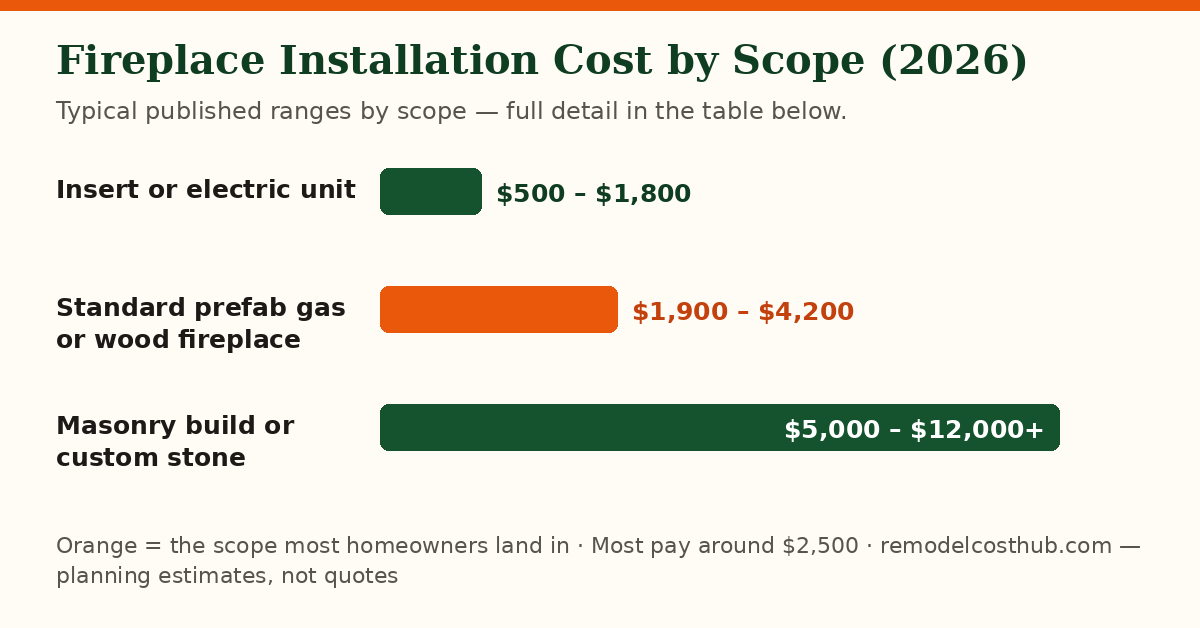
| Scope | Typical cost | What it includes |
|---|---|---|
| Insert or electric unit | $500 – $1,800 | An insert slid into an existing firebox, or an electric unit fitted into a framed opening or hung on the wall with a new outlet. The existing chimney, hearth and surround are reused, so the bill is mostly the unit and a few hours of labor: Angi prices inserts at $1,000–$3,600 and electric units at around $1,000, and Thumbtack’s marketplace average across fireplace jobs is about $1,095. |
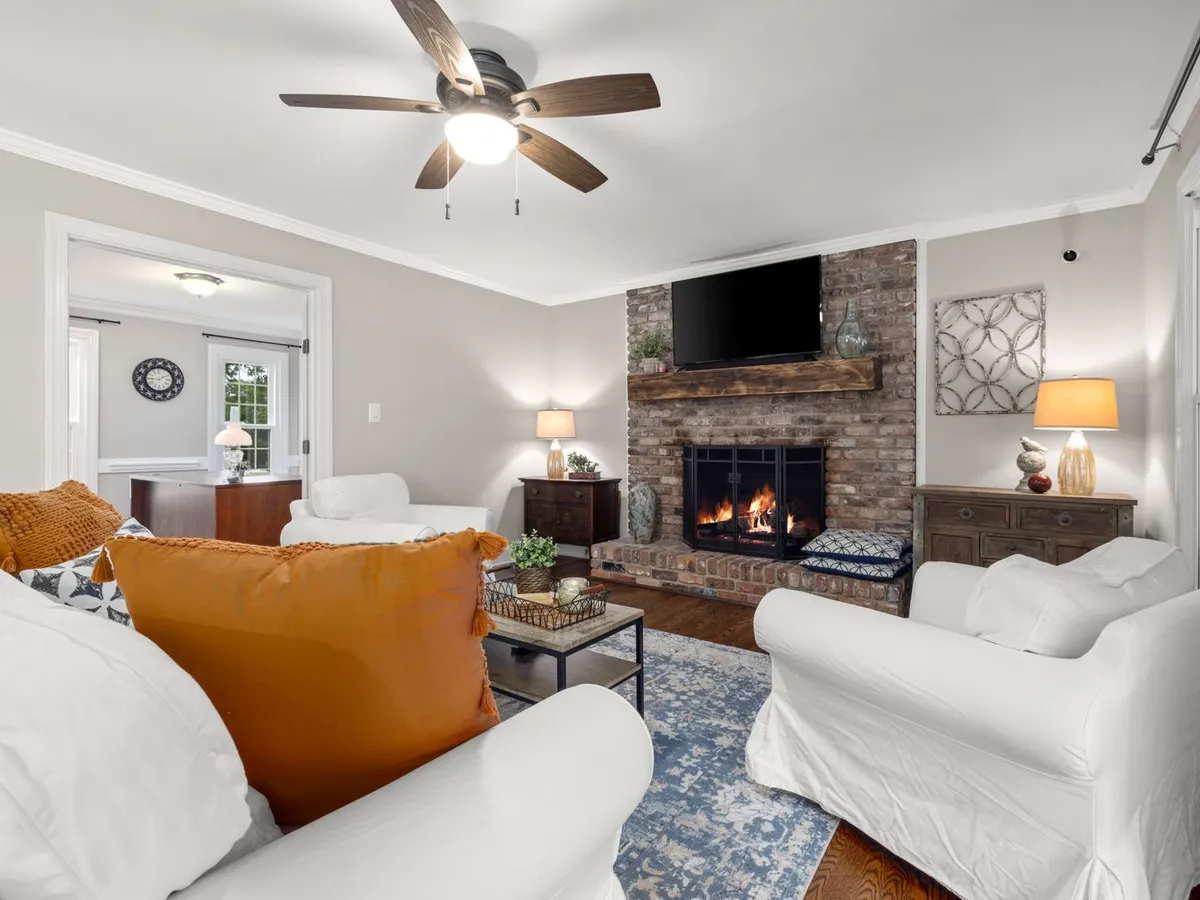
| Standard prefab gas or wood fireplace | $1,900 – $4,200 | The typical project on this page: a prefabricated firebox installed with venting and a simple tile, brick or wood surround. HomeGuide totals a standard firebox plus installation at $1,900–$5,600 before premium veneers, and Angi’s band for what most homeowners pay is $940–$4,218. |
| Masonry build or custom stone surround | $5,000 – $12,000+ | A mason-built brick or stone fireplace, or a prefab unit finished in natural stone with a raised hearth and a full chimney. HomeGuide prices an authentic mason-built brick fireplace at $10,000+, and Angi prices custom masonry surrounds from $2,500 and marble from $5,000+ on top of the unit and its installation. |
Where the money goes
| Part of the job | Share | Note |
|---|---|---|
| Fireplace unit (firebox) | 35–45% | The firebox itself is the biggest single purchase: HomeGuide prices units at $1,100–$2,800 with an $1,800 average, from simple electric boxes to sealed gas and wood-burning prefab units |
| Installation labor & venting | 30–40% | Setting the unit, running the vent or flue and making the connections: Angi’s labor runs from $225 for an electric insert to $2,180 for a wood-burning installation, HomeGuide prices labor overall at $300–$3,000, and venting materials run $10–$20 per linear foot in Angi |
| Surround, hearth & mantel | 15–25% | The finish around the opening decides the look and much of the spread: Angi prices tile and brick surrounds from $1,000–$1,500+, custom masonry from $2,500 and marble from $5,000+, while a painted wood mantel shelf sits at the low end |
| Gas line, wiring, permits & finishing | 5–10% | The hookups behind the wall: HomeGuide prices a new gas line at $500–$2,200, wiring adds $150–$200 in Angi, and the permit, inspection and final trim close the job out |
What moves the price most
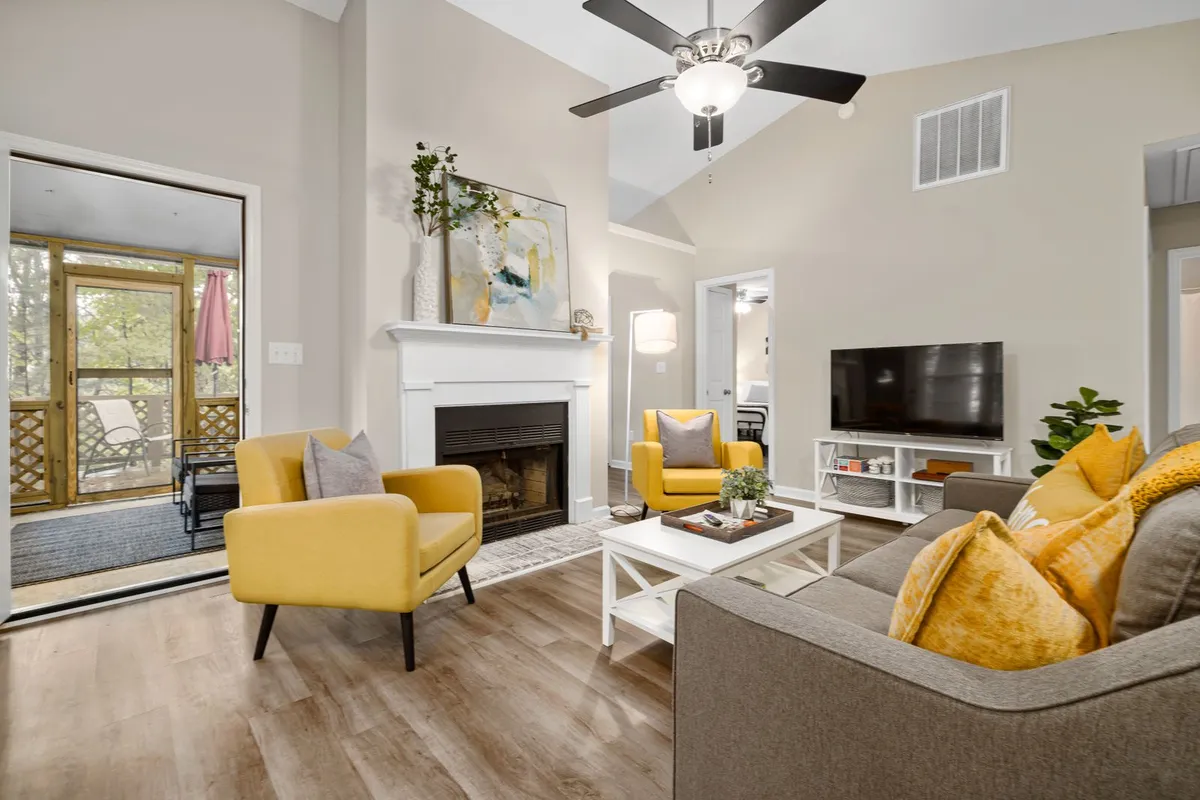
Fuel type is the first fork in the price. Electric is the cheapest to install because nothing vents: HomeGuide puts electric units at $200–$3,000+ installed and Angi at around $1,000, with labor as low as $225 because the work is little more than framing and an outlet. Gas is the mainstream middle — $2,300–$10,000 installed in HomeGuide and $2,500–$10,000 in Angi — because a licensed installer runs the gas line ($15–$50 per linear foot in HomeGuide, $500–$2,200 for a typical run) and vents the unit. Wood is the widest band: prefabricated wood units run $3,000–$8,000 installed in HomeGuide, while a true masonry build starts around $3,500–$5,600 and passes $10,000 for authentic brick work. What already exists is the second fork: an insert reuses the firebox, chimney and surround, which is why inserts start near $1,000 in Angi against several thousand for a new vented unit — but an existing chimney reused for a new fuel usually needs a liner, which Bob Vila prices at about $2,500 on average. The surround is the third: the same firebox reads as a $2,500 project behind a wood mantel and a $7,000 project behind book-matched stone, at the published surround rates in the breakdown above. Finally, placement matters — an interior wall with a straight vent path prices below an exterior wall needing a framed chase, scaffolding-height flue work or a long gas run from the meter.
Worked example: how a typical fireplace installation budget breaks down
A typical job: one prefabricated direct-vent gas fireplace set into a framed interior-wall chase, vented straight out through the wall behind it, finished with a tile surround, a raised tile hearth and a painted wood mantel. The budget below totals $2,500 — the "most homeowners pay around" figure from the top of this page — split using this page's own cost breakdown. It shows how a real quote at that level is usually composed; every line is built from the ranges on this page, and it is an illustration, not a quote for your project.
| Line item | Example budget |
|---|---|
| Prefabricated direct-vent gas firebox | $1,000 |
| Installation labor | $700 |
| Vent kit and vent run | $250 |
| Tile surround, hearth and wood mantel | $400 |
| Gas line connection, permit and finishing | $150 |
| Total | $2,500 |
What most people get wrong
- Reusing an old chimney for a new fuel without a liner inspection — a cracked flue liner turns a cheap insert job into a safety problem, and a liner adds about $2,500 on average in Bob Vila when it is needed; finding that out mid-job is the expensive way.
- Choosing a ventless unit before checking local code — ventless gas is restricted or banned in some jurisdictions and many bedrooms, and the unit cannot be un-bought once the wall is framed for it.
- Pricing the firebox and forgetting the gas run — HomeGuide prices a new gas line at $500–$2,200 on its own, and a long run from the meter is the most common reason a fireplace quote jumps between the site visit and the contract.
- Hanging the TV tight above the mantel without checking clearances — heat rising off a wood or gas fire shortens electronics life, and the mantel depth the surround needs is set by the unit maker, not by the picture on the box.
Costs in your city
Fireplace pricing follows the local price of licensed gas and masonry labor: HomeGuide puts installation labor anywhere from $300 to $3,000 with most jobs near $2,100, so the same prefab unit prices very differently in a high-rate metro than in a small market. Climate travels with the city — cold-region homes order more wood units, masonry surrounds and chimney work, while mild-climate installs skew to gas and electric units with simple surrounds. Gas availability is the quiet gate: streets without a gas main turn a gas quote into a propane-tank project, and permit and inspection fees for gas work vary by jurisdiction. Ask each bidder to separate the unit, the venting, the gas run and the surround on the quote — those four lines are where city-to-city differences actually live.
Frequently asked questions
How much does it cost to install a fireplace in a house that does not have one?
For a standard prefabricated gas or wood unit with venting and a simple surround, budget $1,900–$4,200 — Angi’s band for what most homeowners pay is $940–$4,218 and HomeGuide totals a standard unit and installation at $1,900–$5,600 before premium veneers. A masonry fireplace built from scratch is a different project: HomeGuide prices authentic mason-built work at $10,000+.
What is the cheapest type of fireplace to install?
Electric. There is no vent, flue or gas line, so installation labor can be as low as $225 in Angi, with units themselves running from a few hundred dollars to about $1,200 at retail in Thumbtack and $200–$3,000+ installed in HomeGuide. The trade-off is heat output and running cost per unit of heat, not the install bill.
How much does a gas fireplace cost installed?
Angi prices gas fireplaces at $2,500–$10,000 and HomeGuide at $2,300–$10,000, with a gas insert averaging $3,600 in Angi. A new gas line is often the swing item on top: $500–$2,200 in HomeGuide, priced by the linear foot at $15–$50 where the run is long.
Does a gas fireplace need a chimney?
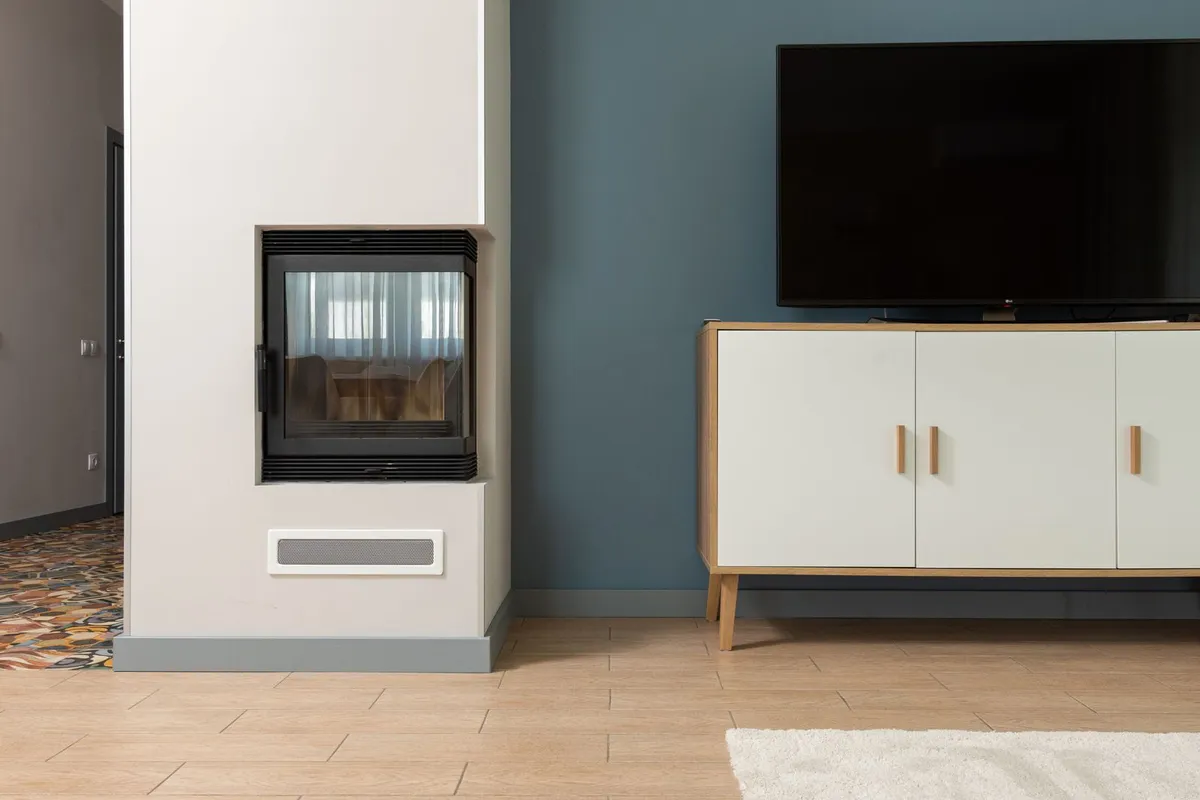
No — a direct-vent gas unit vents through the wall behind or above it, and ventless models need no vent at all (Thumbtack prices ventless gas at about $1,000–$5,000, where local codes allow them). Wood-burning units always need a proper flue: venting runs $10–$20 per linear foot in Angi, and a new flue can add $400–$2,000 in Bob Vila’s figures.
Do I need a permit to install a fireplace?
In most jurisdictions, yes for gas and wood — the installation has to meet fire and venting codes and pass inspection, which is also why many communities prohibit homeowners from installing gas or wood units themselves, as Bob Vila notes. Electric units are the usual exception. Budget for the permit and a final inspection, and keep the paperwork: an unpermitted gas line is a disclosure problem at resale.